About FRP Lining work
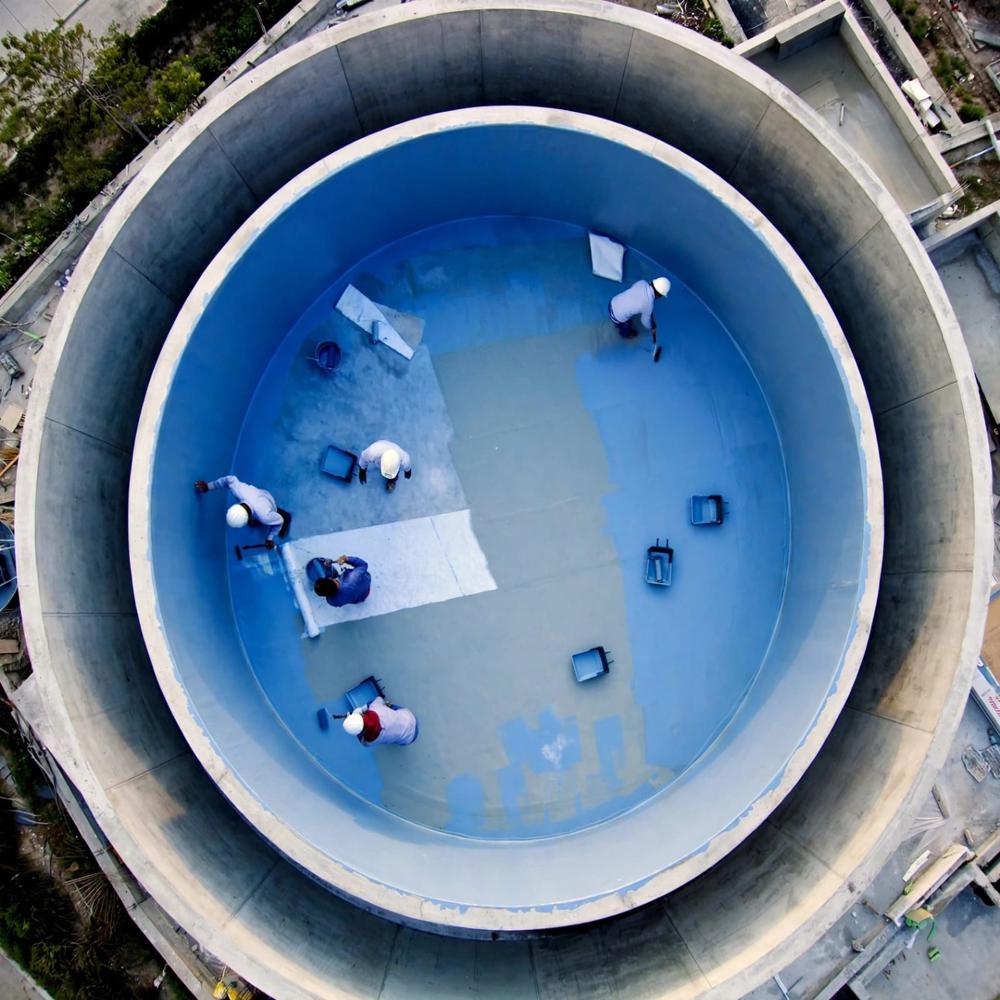
FRP (Fiberglass Reinforced Plastic) lining work is a protective lamination and composite coating process applied to the interior or exterior surfaces of substrates like concrete (RCC), mild steel (MS), wood, or plastic. It creates a seamless, void-free, and impermeable barrier to prevent corrosion, stop chemical attacks, bridge structural cracks, and eliminate leaks.
Key Work Scope & Description
- Substrates Lined: Mild steel tanks, concrete/RCC storage reservoirs, effluent treatment plants (ETP), pipelines, chemical reactors, scrubbers, and industrial floors.
- Thickness Range: Typically ranges from 2.5 mm to 6 mm (or more depending on structural and chemical resistance requirements).
- Reinforcement Materials: Uses chopped strand mat (CSM), woven roving, or surface tissue fiberglass combined with specialized polymer resins (such as Isophthalic Polyester, Vinyl Ester, Novolac, or Epoxy).
Standard Application Procedure
- Surface Preparation:
- Metal surfaces are abrasive-blasted (e.g., to Swedish Standard Sa 2 or Sa 2.5) to remove mill scale, rust, old paint, and oil, exposing a clean, rough profile for mechanical bonding.
- Concrete surfaces are cleaned, ground, or prepared to standards like ICRI CSP 5 to open pores and repair pits or cracks.
- Primer Application:
- A compatible base primer or initial resin coat is applied to seal the substrate and maximize adhesion before the fiberglass layers go down.
- Layering (Mat & Resin):
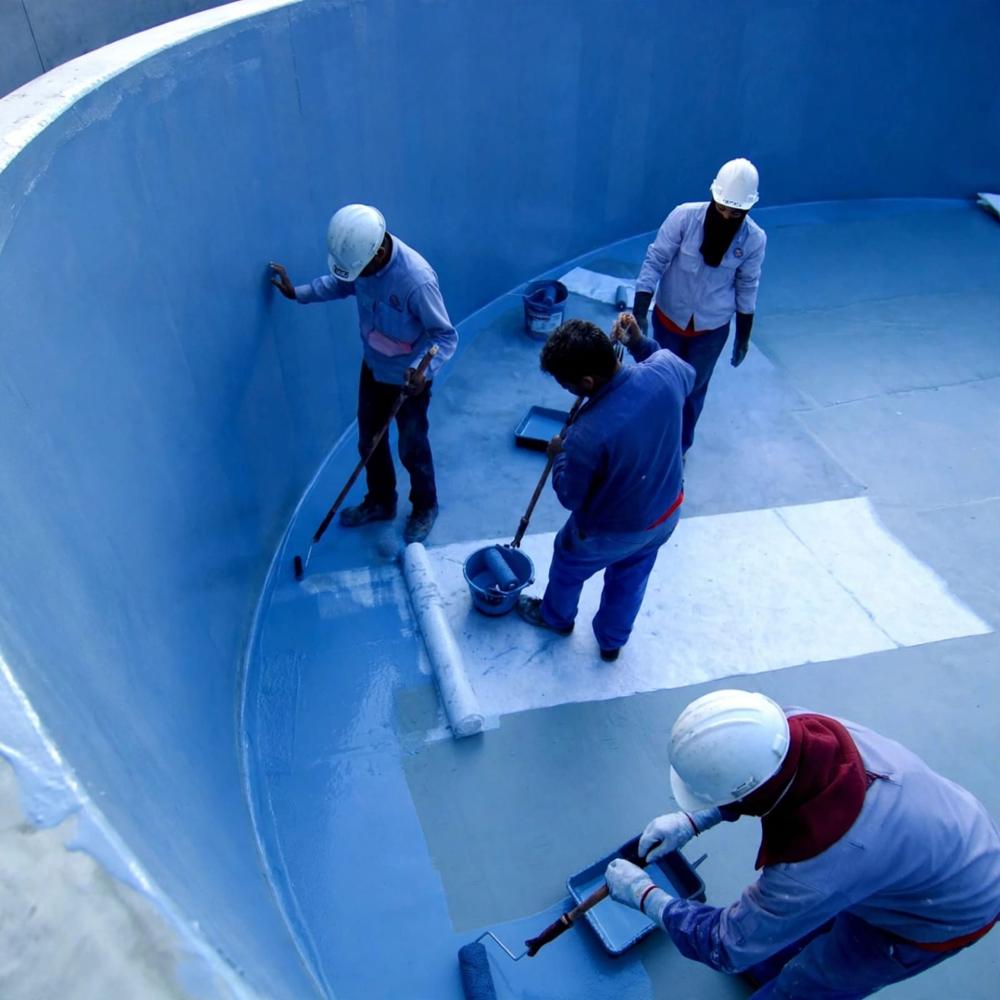
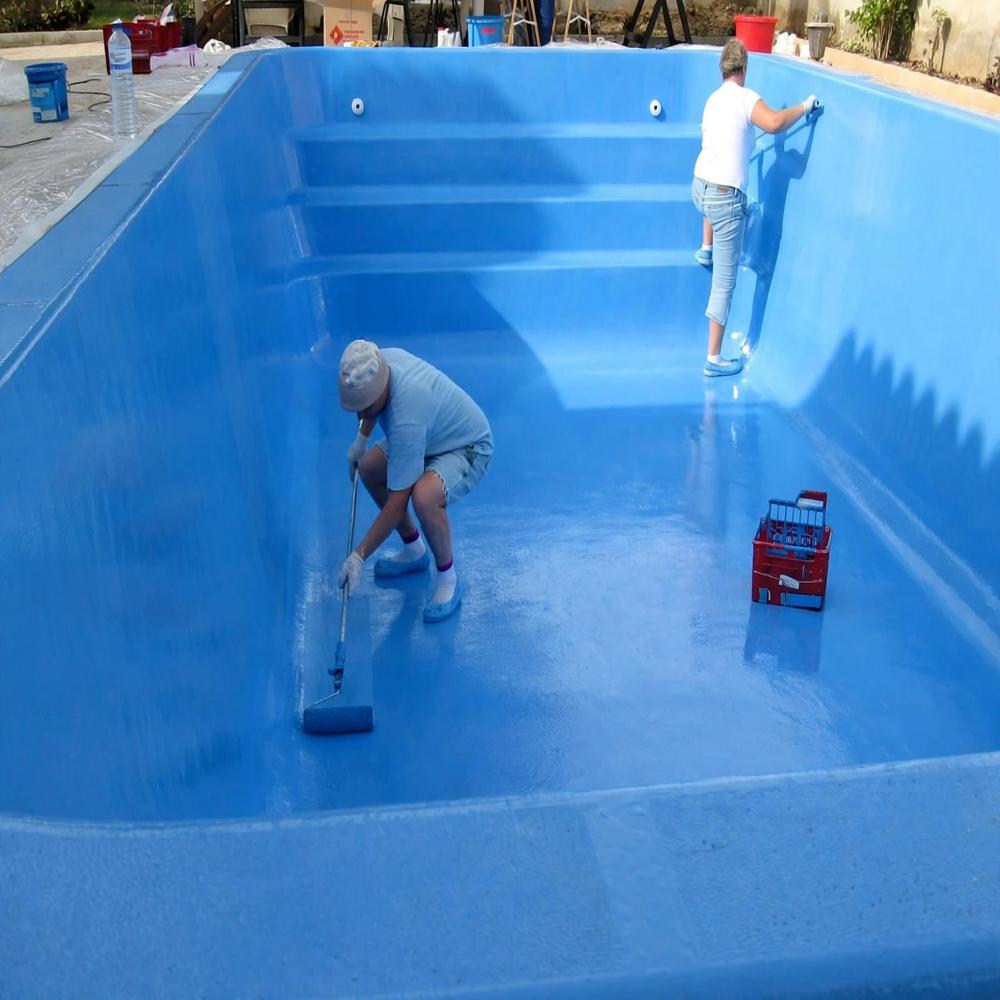
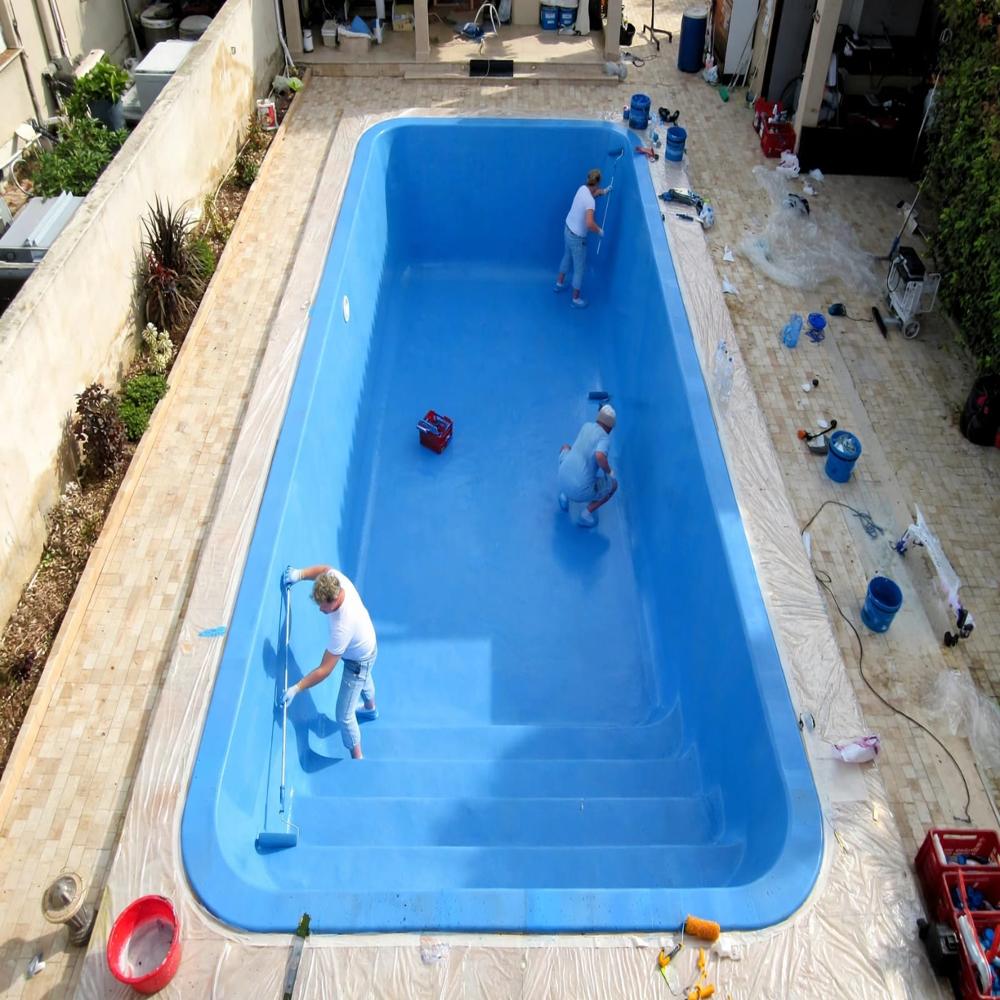
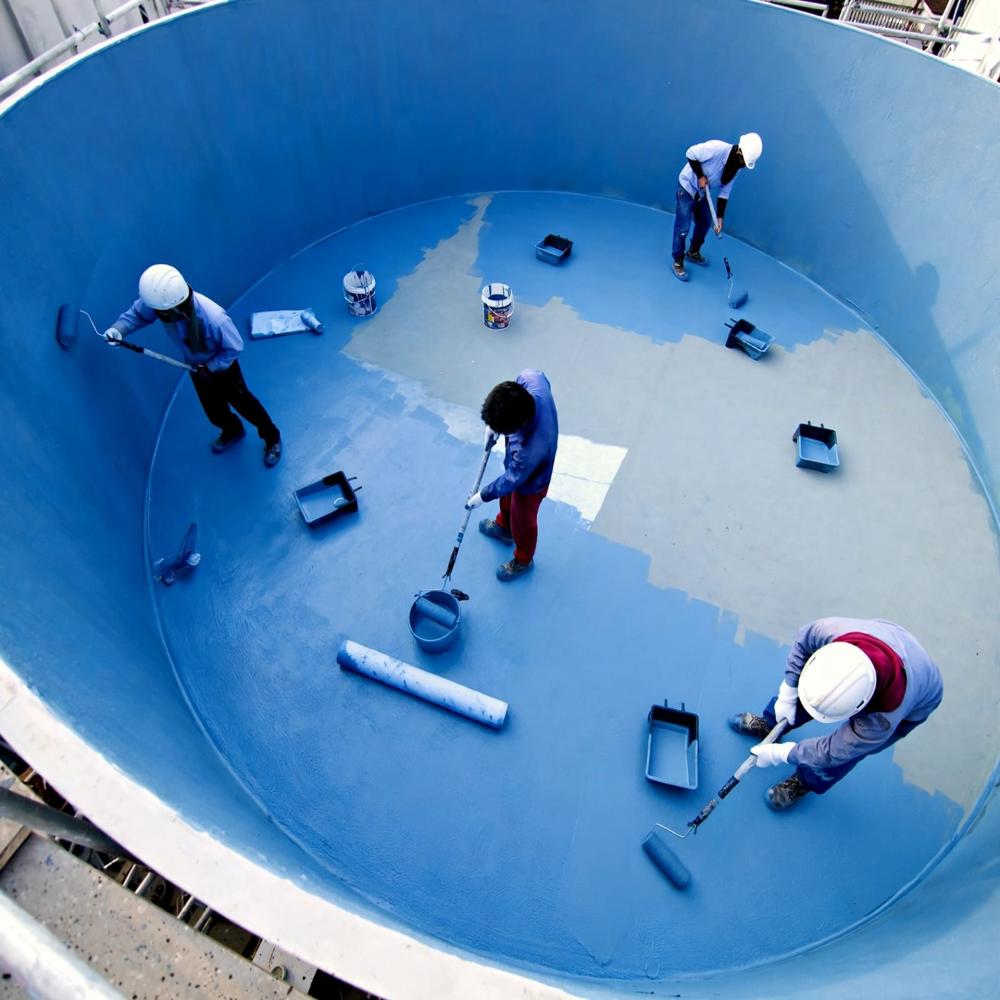
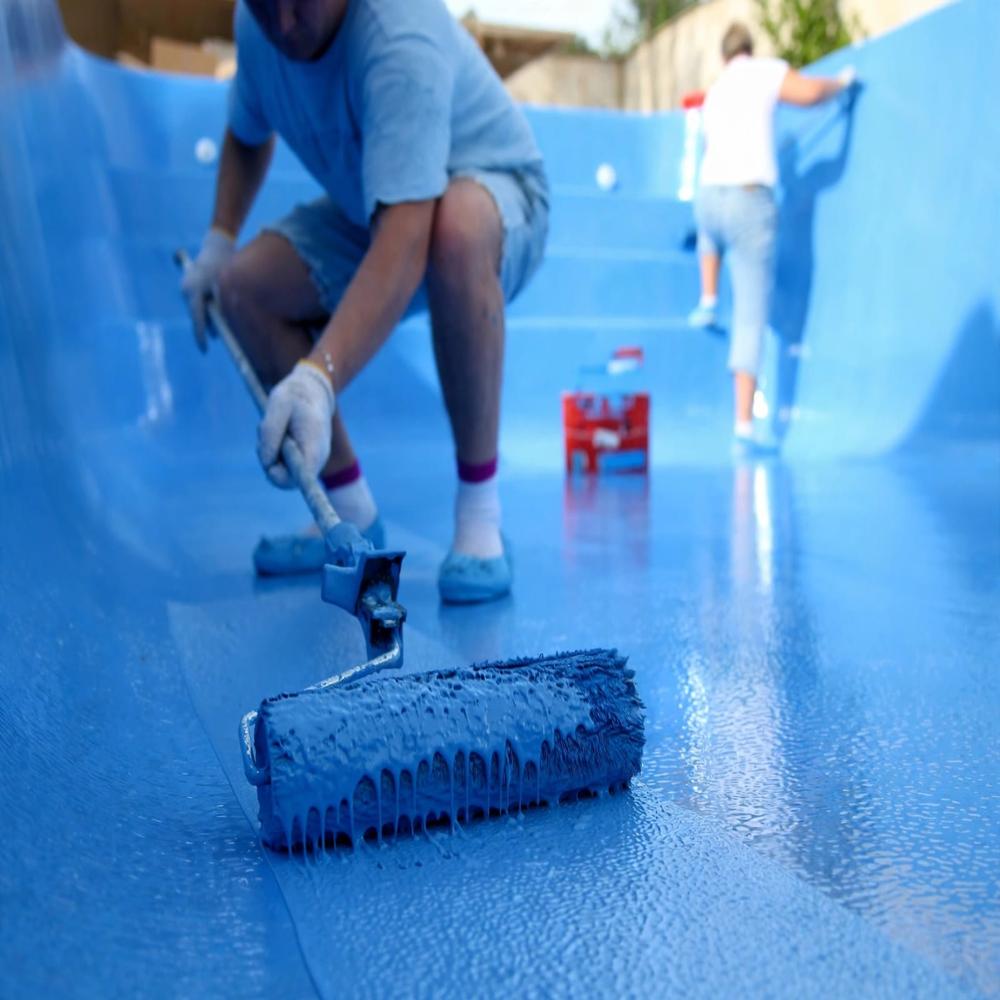
- Successive layers of fiberglass mats (such as CSM 450) are laid down by hand lay-up or spray methods, each thoroughly saturated and rolled out to eliminate trapped air bubbles.
- Topcoat & Finishing:
- A resin-rich final topcoat or surface tissue coat is applied to provide a smooth, waterproof, chemical-resistant finish.
- Curing:
- The system is left to cure completely (ranging from 24 to 72+ hours at room temperature or forced cure) before being commissioned or exposed to chemicals.
- Corrosion & Chemical Resistance: Shields underlying metal and concrete from aggressive acids, alkalis, and wastewater.
- Crack Bridging: Spans micro-cracks and joint seams in concrete and steel structures without cracking under minor stress.
- Low Maintenance: Long service life with reduced downtime compared to traditional paint or thin-film coatings




 Send Inquiry
 Send Inquiry
 Send SMS
 Call Me Free
